CLOSING A NEW YEAR OF THE CADENA INITIATIVE
 We recently concluded a new edition of the CADENA Initiative in Argentina. Throughout the program, students worked collaboratively to identify real-world challenges and design proposals grounded in humanitarian action, social responsibility, and community engagement.
This year, seven projects were developed, reflecting the students’ commitment and creativity. The final event became a meaningful space for dialogue and exchange, where families, students, and jurors came together to listen to and engage with each proposal.
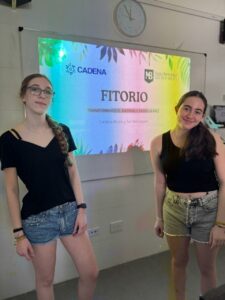
The winning project, Fitorio, was developed by Catalina and Sol, students from Martín Buber School. Their initiative proposes the use of plants and microorganisms to remediate contaminated soils, water, and sediments in the Riachuelo basin, helping to prevent diseases that affect both children and adults. We would like to extend our congratulations to the students and to everyone who took part in this valuable learning experience.
RETURN TO SALTA: ANTICIPATORY HUMANITARIAN ACTION
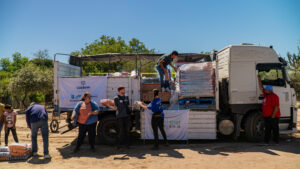 After meeting with the Wichí communities of San Felipe and La Esperanza, listening to their needs, and gaining a deeper understanding of their context, CADENA returned to Salta ahead of the rainy season.
Working in close coordination with community leaders and local actors, we organized the logistics required to deliver a response that was timely and adapted to the local context.
On the ground, our teams conducted a needs assessment, focusing on key areas such as access to safe water, food security, health and prevention, and the risks associated with the seasonal isolation experienced each year by these communities.
As an immediate response, we distributed food modules, hygiene and prevention kits, and emergency kits, prioritizing households in the most vulnerable situations. These actions were complemented by community awareness activities on WASH practices (water, sanitation, and hygiene), as well as efforts to strengthen community-based health response mechanisms.


