During 2025, CADENA provided a comprehensive humanitarian response in Guatemala through 15 interventions, focused on addressing the needs of communities in vulnerable situations in a timely and dignified manner.
A total of 1,276 families and 6,109 people benefited through the delivery of humanitarian aid, health services, and community-strengthening actions.
Food, hygiene, shelter, and school kits were distributed; safe water access systems were installed; and medical consultations with free medication were provided, along with supplies and equipment for community health posts. In addition, local capacities were strengthened through the equipping and accreditation of four COLREDES and the implementation of community resilience workshops in several departments.
These actions reflect CADENA’s commitment to comprehensive humanitarian assistance that responds to emergencies, strengthens local capacities, and promotes more resilient and prepared communities.
Humanitarian interventions
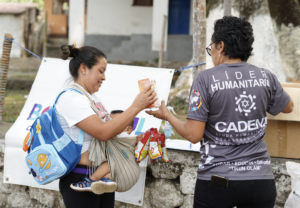 During 2025, CADENA carried out various humanitarian interventions in urban and rural communities across Guatemala, focused on access to safe water, health care, support for vulnerable populations, and the strengthening of community networks.
In Plaza de Toros Neighborhood, Zone 13, community capacity for water management and storage was strengthened, promoting autonomy and resilience in the face of water scarcity. In Escuintla, in the communities of Don Pancho, La Trinidad, and El Rodeo, basic health care services were provided to address urgent needs resulting from limited access to medical services.
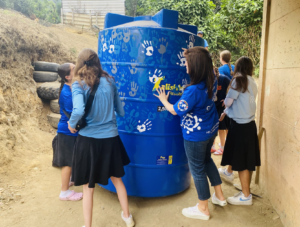 In San José La Rinconada, Sacatepéquez, a comprehensive intervention was implemented that included the installation of a community water storage system, community clean-up days, and the creation of a collective mural, promoting public health, risk management, and social cohesion. Additionally, following a fire, humanitarian support was provided to the Juan Pablo II Home for the Elderly through the delivery of basic supplies to ensure dignified care for older adults.
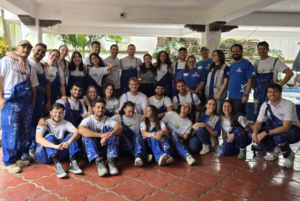 Finally, at Residencia Diamante II in Guatemala City, international volunteers contributed to the renovation of common and residential spaces, creating dignified, safe, and motivating environments for the holistic development of resident youth.
These actions reflect CADENA’s commitment to people-centered, compassionate, and community-based humanitarian assistance that strengthens local capacities and promotes resilient communities.
Humanitarian Interventions – CADENA CLUB
Through Club Juventud CADENA, in partnership with the American School of Guatemala and within the framework of the CADENA Initiative Program, two recreational interventions were carried out at the San José de la Montaña Home, with the participation of 23 young volunteers and the support of educational institutions from different regions of the country.
These actions benefited 65 older adults and 33 girls through recreational activities, shared spaces, reading sessions, intergenerational exchanges, and the distribution of snacks, sweets, and educational kits. The interventions promoted active listening, holistic development, and the strengthening of community bonds.
These actions reflect CADENA’s commitment to dignified accompaniment, youth participation, and volunteerism as drivers of positive and sustainable social impact.
Humanitarian Interventions – COMUNIDAD INICIATIVA
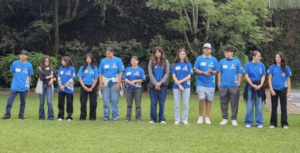 During 2025, CADENA, as the humanitarian arm of the Jewish Community of Guatemala, implemented actions under the Comunidad Iniciativa program aimed at strengthening community capacities in resilience, risk prevention, and the response to priority needs in vulnerable contexts.
Through training workshops and humanitarian interventions, communities in Sayaxché, Petén; Santa Cruz del Quiché, Quiché; Suchitepéquez; and Retalhuleu benefited. Actions included strengthening community preparedness for emergencies, preventing cold-related risks in a home for older adults, improving access to safe water in educational centers through the installation of filtered drinking fountains, and building school infrastructure to ensure safe and inclusive access.
These interventions contributed to improving the well-being, safety, and autonomy of thousands of people, consolidating a comprehensive humanitarian approach that integrates prevention, response, and community accompaniment, with active participation from local and national volunteers.
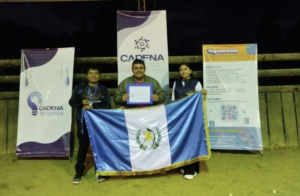 On November 26 and 27, 2025, CADENA implemented the CADENA National Initiative 2025, a program focused on humanitarian leadership and social entrepreneurship aimed at public-sector students nationwide. In coordination with the Ministry of Education of Guatemala and with the participation of teachers, departmental coordinators, students, and Juventud CADENA, the initiative promoted social innovation, community engagement, and humanitarian action.
 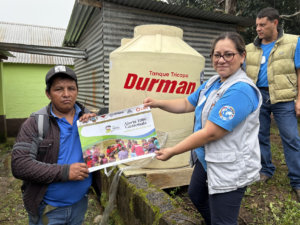 On October 29 and 30, 2025, CADENA implemented the Alert 1006 – Flood Anticipation intervention in Alta Verapaz, with the objective of strengthening prevention, preparedness, and community organization in the face of flood and landslide risks during the rainy season.
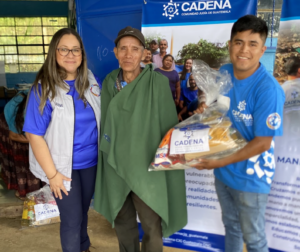 During December 2025, CADENA carried out humanitarian and community actions in Alta Verapaz, Quiché, Retalhuleu, and Suchitepéquez, aimed at supporting vulnerable populations during the rainy season and periods of low temperatures, while strengthening community cohesion and organization.

