A YEAR OF LEARNING, LEADERSHIP, AND HUMANITARIAN IMPACT
As the school year comes to a close, we are proud to reflect on a meaningful year of growth, connection, and impact through CADENA’s educational programs.
 Through Tutors for a Cause, student volunteers dedicated several hours each week to tutoring children from vulnerable communities in English. Beyond language learning, these sessions helped children build confidence, communicate more effectively, and adapt to life in a new country and culture. This year, 28 tutors supported and inspired 35 children.
Our Regeneration program also made a significant impact on today’s youth. Through its training and educational experiences, the program reached 8 countries and 29 schools, empowering 690 students with the knowledge and tools to engage with humanitarian action and social responsibility.
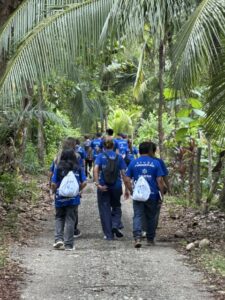 Finally, the CADENA Initiative continued to grow throughout the year. With the participation of schools across 12 countries and a total of 66 schools, students developed innovative projects designed to address real challenges in their communities.
We are grateful to every educator, volunteer, participant, and partner who helped make this year possible.
REFLECTIONS FROM FOCAL POINT 2026
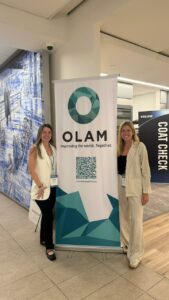 This month, we had the honor of participating in Focal Point 2026, hosted by OLAM in New York City.
Our Director of Education was invited to facilitate a roundtable on program management among members of different NGOs from around the world.
We leave with new connections, valuable insights, and renewed motivation to continue advancing educational programs that develop leaders committed to humanitarian action and social responsibility.
BUILDING STRONGER COMMUNITIES THROUGH SERVICE AND CONNECTION
This week, our team participated in an online training hosted by Repair the World, focused on the current state of community service in the United States and its role in strengthening society.
The session explored how community service experiences can help reverse the decline in social connection and trust within a generation. A central concept presented was the “Six Points of Connection,” which emphasizes the importance of building relationships beyond our immediate circles: connecting with neighbors, local communities, and people from different backgrounds to foster a stronger sense of belonging and civic responsibility.
Throughout the training, four experts shared research and real-world projects that highlighted the impact of community engagement in addressing social isolation and creating more connected, resilient communities.


